
CHAPTER 1
The Early Signs of Digital Addiction
As the digital age has taken hold of modern society, it’s become increasingly common for individuals to become addicted to social media platforms, video games, and other forms of digital entertainment. Digital addiction can have serious consequences on an individual’s social, personal, and professional life. Here are some of the early signs of digital addiction to look out for.
Preoccupation with social media
If an individual is always scrolling through their newsfeed, checking their notifications, and constantly posting updates, it is a sign of digital addiction. It is normal to use social media platforms for communication, staying up to date with the news, and maintaining social connections. However, if individuals become preoccupied with social media, their behavior can be classified as obsessive.
Constant Phone Checking
If an individual checks their phone frequently and impulsively, they need to take a step back and assess their behavior. When a person is addicted to their phone, they cannot seem to stay away from it, even when they need to focus on other tasks or when they should be resting. The constant urge to check their phone disturbs their sleep and can cause frustration or anxiety.
Escaping Reality
While entertainment can provide a healthy means to escape the real world, digital addiction can quickly turn into a coping mechanism. When an individual prioritizes their digital life over real-world relationships and responsibilities, they might be avoiding difficult emotions or situations. Constantly “escaping” into digital entertainment instead of facing the real world can cause their problems to escalate and worsen over time.
Loss of Interest in Hobbies
Digital addiction can impact an individual’s emotional well-being, and if they are not careful, their physical health too. A person with a digital addiction may start to lose interest in their hobbies, leading to a decline in physical activity and overall health. Supplanting real-world interests with digital entertainment can lead to negative consequences for both physical and mental health.
Increased Irritability
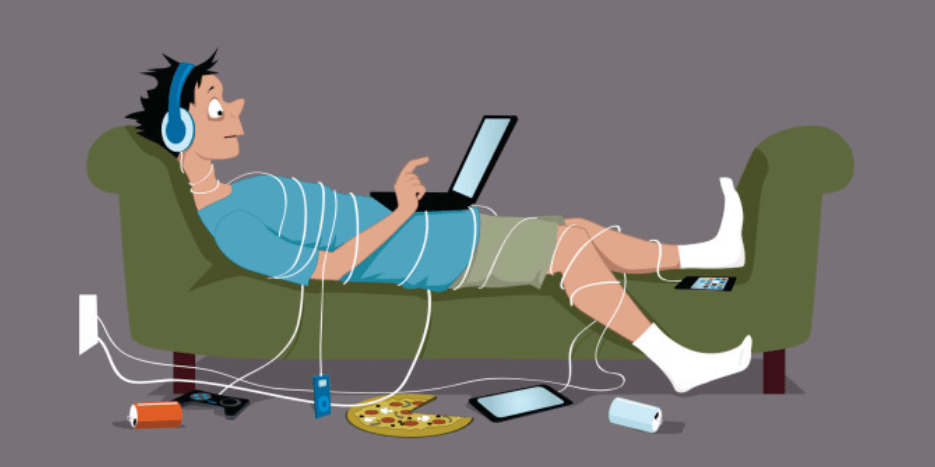
A lack of access to digital devices can make an addicted person feel anxious, irritable, or restless. As they develop an attachment to their digital entertainment, the absence of the stimulation it provides can cause a sense of withdrawal. If an individual becomes irritable or agitated when their digital access is limited, it is a clear sign of digital addiction.
Reduced Ability to Focus
Digital addiction can affect the ability to concentrate as well. Once an individual becomes addicted to digital devices, they may have issues paying attention to real-world conversations, completing routine tasks, or studying. Over time, this lack of focus can lead to difficulties in work, school, or social relationships.
CHAPTER 2
The Impact of Digital Addiction on Mental Health
The world today is driven by digital technology. From smartphones, tablets, and laptops to social media platforms, online gaming, and entertainment, everything is available at our fingertips. While the digital age has revolutionized the way we live, work and communicate, it has also given birth to a new problem – digital addiction.
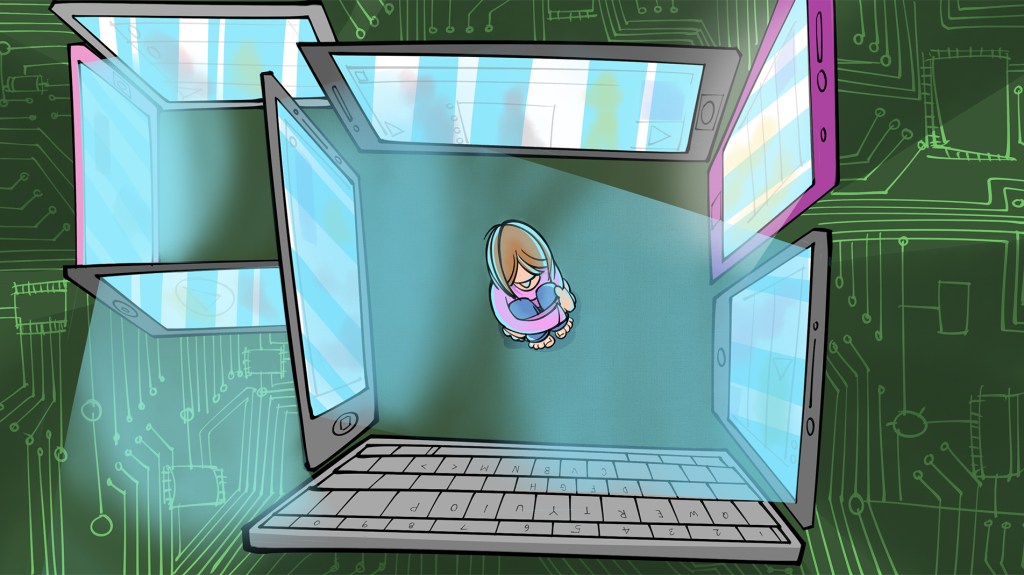
Digital addiction refers to an overuse of digital devices and the internet that leads to severe negative consequences on one’s physical, psychological, and emotional well-being. It can affect people of all ages, and its impact on mental health is becoming increasingly apparent.
The following are some ways in which digital addiction can negatively impact mental health:
1. Anxiety and Depression: People who use digital devices excessively often experience anxiety, stress, and depression. Social media platforms, in particular, can trigger feelings of loneliness, inadequacy and social isolation, which can lead to negative self-image, low self-esteem, and worsening of anxiety and depression.
2. sleep disorders: The blue light emitted by digital devices disrupts the natural sleep cycle, leading to difficulty falling asleep and waking up, insomnia, and sleep deprivation. Lack of sleep can cause irritability, mood swings, and impaired mental performance, leading to additional stressors on mental health.
3. Physical Health Problems: Digital technology addiction can lead to a sedentary lifestyle, which can lead to physical health issues such as obesity, heart disease, and diabetes. These health problems can contribute to the development of depression, anxiety, and other mental health conditions.
4. Addiction: People who are addicted to digital devices and the internet may find it harder to quit, causing them to feel isolated and alone. As a result, they may experience abnormal cravings, irritability, and a change in normal behavior, contributing further to anxiety, depression, or other mental illnesses.
5. Social Isolation: Digital addiction can lead to social isolation, where people who are excessively immersed in their online lives may neglect to engage in face-to-face interactions that could have had a positive effect on their mental and emotional well-being.
6. Deterioration of Real-Life Relationships: Digital addiction can lead to a decline in real-life relationships. It can cause people to ignore family and friends, causing conflicts and tension, leading to additional stress and worsening of mental health issues.
7. Addiction and Aggression: Children and teenagers are susceptible to digital addiction, which can lead to aggression and a general disregard for rules and boundaries. Such behavior can lead to heightened anxiety, depression, and the development of other mental illnesses later in life.
CHAPTER 3
How to Battle Digital Addiction
In a world that’s increasingly interconnected, it’s becoming more common for people to struggle with digital addiction. Whether it’s checking social media notifications constantly, or mindlessly browsing the internet for hours on end, digital addiction can have a negative impact on mental health, relationships, and productivity. In this article, we’ll explore some tips for battling digital addiction.
1. Setting Boundaries
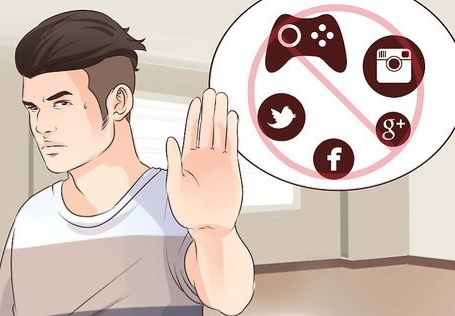
One of the most effective ways to tackle digital addiction is by setting boundaries. Determine how much time you’re spending on your digital devices and set a time limit for yourself. You can also set limits on certain types of digital activities. For instance, you could decide to only check your email twice a day instead of constantly refreshing your inbox.
2. Create Offline Activities
Instead of spending all your time on your digital devices, cultivate some offline activities. Find hobbies such as gardening, painting, or reading books that can distract you from wanting to use your phone or laptop. Also, physical activities like a morning run or a simple stretching exercise can help you stay active and reduce the temptation to check your devices.
3. Turn Off Notifications
Notifications from social media, emails, and apps can be addictive and distracting. So, turning them off can be a helpful solution. It’s a good idea to check your notifications at certain intervals in the day, rather than having them active all day long. This not only helps you stay focused but also helps you avoid being interrupted by notifications when you’re spending time with family or friends.
4. Use Apps for Limiting Distractions
There are several apps available that can help you limit your screen time and avoid distractions. Apps like Freedom and Moment are some of the best examples of apps that can track your usage, set goals, and remind you when you’re exceeding your set limits. There are also apps that block specific websites or apps and give you control over what you’re allowed to access.
5. Take breaks
Taking a break from digital devices for a while is important for your mental health. You can plan leisure time for yourself, to deliberately switch it off and detach yourself from digital distractions. A brisk walk in the park or listening to music while cooking dinner can help you relax and recharge yourself.
6. Create a Support System
Sometimes, it can be hard to tackle digital addiction alone. With the help of friends and family, you can create a support system. Let the people close to you know your goals and struggles. Encourage them to remind you of your goals when you’re going down the addictive path. They can also hold you accountable when you compromise on your plans.
7. Use Consequences
Another way to help overcome addiction is by setting consequences. For instance, you could decide to donate some money to charity if you fail to stick to your digital boundaries. Consequences keep you motivated and consistent in the long run by providing an incentive beyond just breaking the habit.
CHAPTER 4
The Unfortunate Consequences of Untreated Digital Addiction
Digital addiction is a phenomenon that has become increasingly prevalent in modern society. It involves the excessive and compulsive use of digital technology, such as smartphones, social media, and gaming, that disrupts daily life activities and impacts emotional and mental well-being. While digital technology has undoubtedly improved our lives in many ways, it has also created a new type of addiction that can have unfortunate consequences when left untreated.
One of the most significant consequences of untreated digital addiction is the deterioration of interpersonal relationships. People who are addicted to digital technology often neglect face-to-face communication and social interactions, preferring instead to engage with their devices. This can cause them to become socially isolated, leading to feelings of loneliness and depression. They may also neglect important relationships with family and friends, which can lead to conflict and resentment.
Untreated digital addiction can also have detrimental effects on mental health. Excessive digital use has been linked to symptoms of anxiety, depression, and sleep disorders. This is because digital addiction can disrupt the body’s natural circadian rhythm, which regulates sleep-wake cycles. Moreover, frequent engagement with social media platforms can lead to feelings of inadequacy and low self-esteem, which can exacerbate mental health issues.
Another unfortunate consequence of untreated digital addiction is its impact on productivity and academic performance. Individuals who are addicted to digital technology often struggle to focus on tasks and perform to the best of their abilities. They may procrastinate, become easily distracted, and struggle to prioritize responsibilities. This can lead to a decline in grades or work performance and can negatively affect future opportunities.
The financial impact of untreated digital addiction is another consequence that should not be overlooked. In some cases, people may spend excessive amounts of money on digital technology, such as expensive smartphones or gaming consoles. This can lead to financial strain, especially if the individual is unable to manage their spending habits. Additionally, some people may develop compulsive buying behaviors when engaging in online shopping, further exacerbating financial issues.
Untreated digital addiction can also cause physical health problems, such as eye strain, headaches, and neck pain. This is because people often engage with digital technology for extended periods, causing them to strain their eyes and necks. Moreover, excessive use of digital technology can lead to poor posture and a sedentary lifestyle, which can lead to weight gain and other health issues.
Overall, untreated digital addiction can have devastating consequences on an individual’s emotional, mental, physical, and financial well-being. However, it is essential to note that digital addiction is treatable, and there are steps that can be taken to overcome it. Seeking professional help, setting boundaries and limits on digital technology usage, engaging in alternative activities, and developing healthy coping mechanisms are all effective ways to tackle digital addiction.
Conclusion
Digital addiction is a severe problem today. It has significant impacts on mental and physical health, and if left untreated, it can lead to serious consequences. By setting boundaries for digital use, taking breaks from digital devices, and seeking professional help if needed, it is possible to overcome digital addiction and lead a healthier, more balanced life.
Digital addiction related Videos & documentaries
This is my final project for the digital storytelling course. Thankyou
 Waleed Anjum